In the contemporary workplace, the sitting area has evolved from a mere waiting zone into a strategic “third space”—an environment designed to facilitate informal collaboration, mental rejuvenation, and cultural expression. The provided image illustrates a sophisticated approach to this concept, where the sitting and display areas are integrated directly into the functional architecture of the office.
By analyzing the interplay of natural wood textures, precision lighting, and structured organization, we can derive comprehensive interior design ideas for creating a high-impact office sitting area that enhances both employee productivity and company identity.
1. The Strategy of “The Third Space”
Modern office design increasingly relies on the concept of “The Third Space”—areas that are neither a formal workstation nor a fully detached breakroom. This sitting area serves as the perfect bridge.
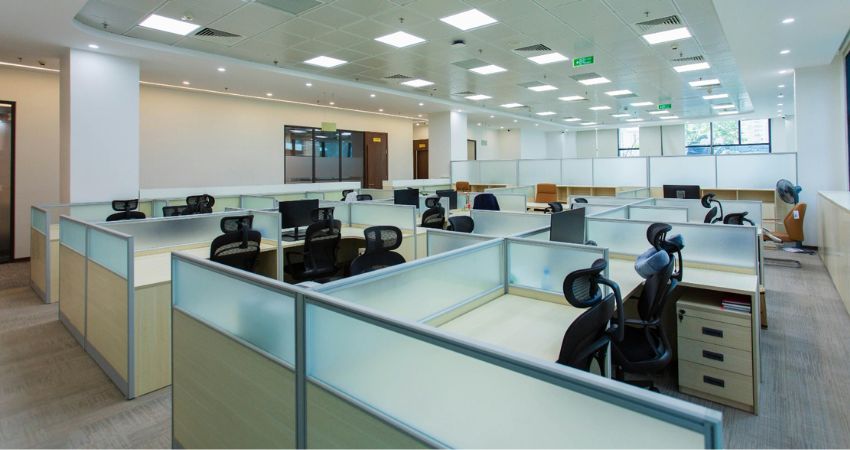
- Integrated Proximity: The design places sitting and collaboration ledges in immediate proximity to the workstations. This allows for a “fluid workflow,” where an employee can pivot from a focused task at their desk to an informal brainstorming session at the ledge without moving to a different floor or room.
- Psychological Safety: The medium-height wood partitions create a sense of enclosure for those seated, providing a “psychological anchor” in an otherwise open-plan office. This sense of privacy encourages more honest and creative communication during informal meetings.
2. Materiality: The Biophilic Power of Wood
The most dominant aesthetic feature of this space is its heavy reliance on warm wood tones, which is a core tenet of biophilic interior design.
- Tactile Warmth: The use of rich, vertical wood-grain panels on the partitions and cabinetry offsets the industrial nature of the office ceiling and flooring. Wood is known to lower cortisol levels and create a “residential” feel that makes employees feel more at ease.
- The Power of Contrast: To prevent the wood from feeling overwhelming or dated, the designers have paired it with clean, matte-white countertops and upper cabinets. This high-contrast look is a hallmark of modern professional design, signaling a balance between organic comfort and technological precision.
3. Lighting: Architecting Atmosphere
Lighting in a sitting area should be fundamentally different from the lighting at a desk. While desks require task-focused brightness, sitting areas require atmospheric layering.
- Recessed LED Accents: The design features warm LED light strips tucked beneath the upper white cabinets. This creates a “glow” effect that illuminates the display niches and the white ledge below. Indirect lighting like this is essential for making a sitting area feel welcoming rather than clinical.
- Linear Ceiling Geometry: The overhead lighting consists of slim, black linear tracks that run parallel to the workstations. This adds a rhythmic, architectural quality to the ceiling that guides the eye toward the collaboration zones.
4. The Sitting Ledge: Redefining Workplace Furniture
Instead of traditional sofas or armchairs, this area utilizes a long, continuous white ledge, which offers several unique design advantages.
- Multi-Functional Surface: The ledge acts as a communal “touchdown” point. It is deep enough to hold laptops for a quick stand-up meeting, yet serves as a resting place for personal items or coffee during a break.
- Unifying Line: Architecturally, the long horizontal line of the white ledge unifies the different sections of the office, making the space feel longer and more organized.
5. Curating Culture through Display
A successful office sitting area should tell the company’s story. The design in the image uses “niches” to create a gallery-like atmosphere.
- Structured Storytelling: Framed photographs and awards are placed within the illuminated wooden niches at eye level. This ensures that whenever an employee or visitor sits in the area, they are subtly reminded of the company’s achievements and mission.
- Life through Biophilia: Small potted plants, such as the Pothos on the display ledge, provide organic movement to the space. Greenery is a cost-effective way to “soften” the hard edges of office cabinetry.
6. Functional Storage: The “Silent” Design Hero
Clutter is the enemy of a peaceful sitting area. This design masterfully hides necessary office functions within the aesthetic elements.
- Hidden Compartments: The lower portion of the sitting area wall consists of seamless wood cabinets for filing and storage. By using handle-less or slim-profile hardware, the storage looks like an architectural wall rather than furniture.
- Upper Overhead Storage: The white cabinets at the top provide additional storage while acting as a visual “cap” to the wood-heavy middle section.
Actionable Design Ideas for Your Office Sitting Area
If you are looking to replicate the success of the space in the image, consider these three foundational steps:
Step 1: Implement “The Horizon Line”
Avoid scattered furniture. Instead, install a continuous ledge or countertop at waist height that runs along a primary wall. This provides a central “sitting and leaning” zone that feels intentional and architectural.
Step 2: Layer Your Material Textures
Don’t settle for all-white or all-grey walls. Introduce vertical wood-grain panels to the lower half of your walls to create warmth. Pair this with a different color or material for upper storage to create a sense of vertical rhythm.
Step 3: Invest in Niche Lighting
Identify a focal wall in your sitting area and install recessed shelving with integrated LED strips. Use this space to display team photos or brand values. The light itself will draw people to the area, making it a natural social magnet.
Conclusion: Designing for Human Interaction
The office sitting area in the image is a testament to the idea that simplicity is the ultimate sophistication. By focusing on high-quality materials like wood, utilizing indirect LED lighting, and maintaining a strict sense of order through integrated storage, the designers have created a space that respects both the work and the worker.
In the modern workplace, the most valuable square footage is not found at the desk, but in the “third spaces” where people feel comfortable enough to share an idea, a coffee, or a moment of rest. This sitting area provides the perfect blueprint for that balance.